
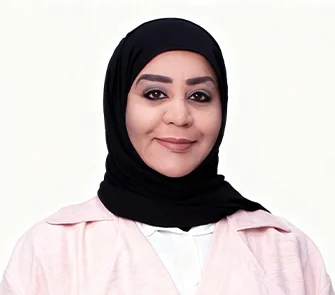
Ms. Sharefa Al-Ayyoub
Family Counselor and Positive Parenting Expert with over 20 years of experience in family guidance
Scientific Specialization
- Family
- Educational
Brief Summary
Ms. Sharefa Al-Ayyoub
Family Counselor and Positive Parenting Expert with over 20 years of experience in family guidance, educational training, and personal development.
She holds a Bachelor's degree in Social Work and is a certified trainer in self-growth and family relationships. Ms. Al-Ayyoub has conducted hundreds of workshops focused on promoting emotional balance, family harmony, and psychological well-being.
She has held several professional and community roles, including:
- Certified Family and Educational Counselor.
- Member of national and regional associations for family and childhood development.
- Trainer and speaker in positive parenting and personal growth.
- Active participant in family and educational conferences locally and internationally.
- Presenter of training programs focusing on family communication and relationship building.
Ms. Al-Ayyoub is known for her compassionate and practical approach that blends science with life experience to empower families and individuals for a more balanced and positive life.
Selected Programs & Publications:
- Parenting with Love and Balance
- The Language of Connection Between Parents and Children
- Managing Family Conflicts
- Building a Confident Personality
Journey to a Positive Self
Attachment – Prevention and Healing
This course explores the concept of emotional and psychological attachment from a scientific and human perspective. It helps participants understand its causes, types, and effects on relationships and mental health.
The course focuses on preventing unhealthy attachment and building emotional balance through self-awareness and inner stability. It provides practical tools to manage emotions of attachment, loss, and dependency in a healthy way that promotes maturity and emotional stability.
Objectives:
- Understand the meaning, types, and psychological roots of attachment.
- Differentiate between healthy and unhealthy attachment patterns.
- Recognize the stages and emotional effects of attachment.
- Learn prevention techniques to avoid excessive or harmful attachment.
- Develop strategies for healing from unhealthy attachment and building self-reliance.
- Strengthen self-awareness and self-worth as keys to emotional balance.
Target Audience:
- Individuals struggling with emotionally unbalanced or dependent relationships.
- Those interested in improving mental health and emotional intelligence.
- Therapists, counselors, and life coaches in psychology and family guidance.
- Young adults and adults seeking to build healthy, stable relationships.
- Anyone aiming to understand themselves and heal from unhealthy emotional attachment.
Course Topics:
- Understanding Attachment:
- Origins of attachment in childhood and its impact on personality.
- The difference between love, attachment, and emotional dependency.
- Types of Attachment:
- Secure attachment.
- Anxious (dependent) attachment.
- Avoidant attachment.
- Disorganized or ambivalent attachment.
- Causes of Unhealthy Attachment:
- Psychological roots of excessive emotional dependency.
- Low self-esteem and fear of loss.
- Past emotional trauma and negative relationship experiences.
- Prevention of Unhealthy Attachment:
- Building emotional and psychological independence.
- Developing self-awareness and emotional intelligence.
- Strengthening balanced relationships with self and others.
- Healing and Recovery:
- Strategies to detach from harmful emotional bonds.
- Exercises for emotional recovery after loss or separation.
- Creating a personal healing plan to rebuild a healthy self-relationship.
Emotional Intelligence for Children
This course helps parents and educators understand and develop emotional intelligence in children by teaching emotional awareness, expression, and regulation skills.
It provides practical strategies to help children manage emotions, communicate effectively, and solve problems positively—building confidence and strengthening their social relationships.
Objectives:
- Understand the concept and importance of emotional intelligence in a child’s life.
- Help parents recognize their children’s emotional and behavioral patterns.
- Develop children’s skills in understanding their own and others’ emotions.
- Train children to manage anger, stress, and emotional reactions.
- Strengthen communication, empathy, and cooperation among children.
- Enable parents to use emotional parenting to build positive relationships with their kids.
Target Audience:
- Parents seeking to raise emotionally intelligent children.
- Teachers and educators aiming to promote emotional intelligence in classrooms.
- Psychologists and social workers working with children.
- Anyone interested in applying emotional education principles.
Course Topics:
- Understanding Emotional Intelligence:
- Definition and key components.
- Difference between emotional and cognitive intelligence.
- Core Components of Emotional Intelligence in Children:
- Self-awareness and emotional recognition.
- Self-regulation and impulse control.
- Empathy and understanding others’ emotions.
- Social and communication skills.
- The Family’s Role in Emotional Development:
- Parenting styles and their effect on emotional growth.
- How to respond supportively to children’s emotions.
- Practical Strategies to Build Emotional Intelligence:
- Exercises to teach emotional expression.
- Games and activities to foster empathy and teamwork.
- Steps to help children manage anger and frustration.
- Outcomes of Emotional Intelligence:
- Impact on academic performance and social success.
- Raising a confident, balanced, and emotionally healthy child.