
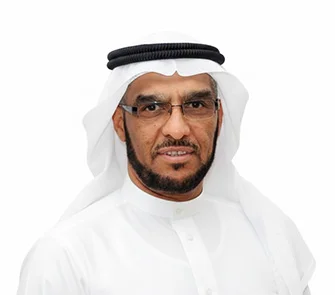
Dr. Rashid Al-Sahil
Professor and Educational Consultant specializing in educational leadership and academic performance development
Scientific Specialization
- Management
- Psychological
- Educational
Brief Summary
Professor and Educational Consultant specializing in educational leadership and academic performance development. He holds a Ph.D. in Education from Kuwait University and has over 20 years of experience in higher education, teacher training, and academic supervision.
He has held several academic and administrative positions, including:
- Professor of Educational Leadership, College of Education – Kuwait University.
- Former Assistant Dean for Academic Affairs.
- Educational Consultant for various institutions across the GCC.
- Member of the National Curriculum Development and Teacher Evaluation Committees.
- Head of the Academic Committee for Professional Teacher Development Initiatives.
Dr. Al-Sahil has designed and led numerous training programs and professional diplomas in leadership, teamwork, and modern learning environments. He has actively participated in regional and international conferences and contributed to advancing educational excellence in the Arab world.
Selected Publications:
- Educational Leadership in the 21st Century
- Building Effective Teams in Educational Institutions
- Professional Development for Teachers
- Creative Thinking Skills in Education
- Quality of School Life and Learning Motivation

The Art of Forgiveness with Others
A self-development course designed to help participants cultivate forgiveness and positive interaction with others, by understanding emotions, releasing past pain, and building inner peace and emotional balance in daily life.
🎯 Objectives:
- Develop forgiveness as a personal and social value.
- Understand how forgiveness enhances mental health and relationships.
- Learn to accept others and embrace differences.
- Apply strategies to release anger and negative emotions.
- Strengthen inner peace and empathetic communication.
👥 Target Audience:
- Individuals seeking emotional healing and better relationships.
- Counselors, educators, and family guides.
- Couples, parents, and social leaders.
- Anyone aiming to achieve peace of mind and positive connections.
📚 Main Topics:
- The meaning and dimensions of forgiveness.
- Forgiveness and its impact on mental wellbeing.
- Releasing anger and emotional pain.
- Building healthy and empathetic relationships.
- Managing criticism and emotional challenges.
- Practical steps toward achieving inner peace.
- Daily applications to strengthen forgiveness.
Positive Parenting and Behavior Modification
A comprehensive training program that helps parents and educators understand children’s behavior and apply positive parenting principles to build confident, emotionally balanced, and well-behaved individuals through empathy and effective communication.
🎯 Objectives:
- Understand the concept and principles of positive parenting.
- Identify the root causes of negative behaviors in children.
- Learn effective behavior modification strategies.
- Enhance communication and emotional connection with children.
- Promote discipline based on respect and mutual understanding.
👥 Target Audience:
- Parents and caregivers.
- Teachers and early childhood educators.
- Family and school counselors.
- Anyone seeking to foster healthy family and child development.
📚 Main Topics:
- The concept and goals of positive parenting.
- Understanding normal and problematic behavior.
- Psychological and social causes of misbehavior.
- Behavior modification strategies (reinforcement, modeling, extinction).
- Effective communication with children.
- Alternatives to punishment and discipline with empathy.
- Practical case studies and applications.
Mental Health Enhancement Skills
A professional training program designed to equip participants with practical skills to strengthen mental health, cope effectively with life stressors, and achieve emotional balance for better personal and professional well-being.
🎯 Objectives:
- Understand the concept and importance of mental health.
- Identify factors that influence psychological well-being.
- Develop resilience and coping strategies.
- Practice positive thinking and emotional regulation.
- Learn techniques for self-care and sustainable wellness.
👥 Target Audience:
- Individuals seeking emotional stability and self-growth.
- Educators, counselors, and mental health professionals.
- University students and youth mentors.
- Anyone interested in improving psychological well-being.
📚 Main Topics:
- The meaning and pillars of mental health.
- Psychological and social factors affecting mental wellness.
- Skills for stress management and resilience building.
- Positive thinking and emotion regulation techniques.
- Building supportive and healthy relationships.
- Self-care strategies for lasting well-being.
- Creating a personal mental wellness plan.

Children's Problems: Causes and Treatment
This course aims to provide a comprehensive understanding of children's behavioral, psychological, and physical problems, focusing on the main causes and effective ways to address them. It covers treatment strategies, modifying negative behaviors, and the role of family and school in supporting the child’s mental and behavioral health, while promoting positive parenting skills to ensure healthy and proper child development.
Objectives:
- Understand the behavioral, psychological, and physical problems in children.
- Identify the underlying causes of these problems.
- Learn effective strategies for managing and treating children's issues.
- Empower parents, teachers, and psychologists to support children's mental and behavioral health.
- Develop positive parenting skills and promote healthy child development.
Target Audience:
- Parents and guardians
- Teachers and educators
- Psychologists and social workers
- Anyone interested in child-rearing and handling children’s problems
Course Topics:
- Types of Children's Problems:
- Aggressive and rebellious behaviors
- Excessive shyness and social withdrawal
- Learning and concentration difficulties
- Anxiety and depression in children
- Causes of Problems:
- Family and parenting factors
- Psychological and emotional factors
- Social and cultural influences
- Biological and physical factors
- Diagnosis and Evaluation Methods:
- Psychological and behavioral assessment tools
- Daily observation and behavior analysis
- Treatment and Management Strategies:
- Positive parenting
- Modifying negative behaviors
- Psychological and social support
- Strategies to enhance the child’s mental health
- Role of Family and School:
- Collaboration between home and school
- Building a supportive and healthy environment
- Enhancing effective communication with the child

Anger Management
This course provides participants with a scientific and practical understanding of anger—its causes, physiological and psychological mechanisms—and teaches healthy, safe methods to manage it. The course covers recognizing anger signs, emotion-regulation techniques, cognitive and behavioral strategies to change reactive patterns, and hands-on training in communication and problem-solving skills to reduce escalation and improve personal and professional relationships.
Objectives:
- Define anger and understand its physiological and psychological aspects.
- Identify triggers and cognitive-behavioral patterns that lead to anger outbursts.
- Learn immediate anger-control techniques (breathing, relaxation, response delay).
- Apply cognitive and behavioral strategies to change reactive habits (reframing, situational management).
- Develop assertive communication and problem-solving skills to reduce conflict and stress.
- Create a relapse-prevention plan to maintain long-term progress.
Target Audience:
- Individuals experiencing frequent anger episodes or difficulty controlling emotions.
- Parents and caregivers seeking to manage anger and improve interactions with children.
- Teachers, educators, and professionals working in high-stress environments.
- Psychologists and counselors wanting practical tools for anger treatment.
- Anyone wishing to improve emotional regulation and interpersonal relationships.
Course Topics:
- Introduction to Anger:
- Definition and distinction from aggression.
- Physiological response to anger.
- Types of anger (direct, passive, self-directed, chronic).
- Causes and Triggers:
- Biological and psychological contributors.
- Environmental and social stressors (work pressure, family issues).
- Cognitive distortions (overgeneralization, black-and-white thinking).
- Assessment and Diagnosis:
- Tools and measures for anger intensity and frequency.
- Behavior monitoring and self-recording (anger diary).
- Immediate Control Techniques:
- Breathing exercises and grounding techniques.
- Progressive muscle relaxation.
- Pause-and-step-back techniques: stop, count, timeout.
- Cognitive-Behavioral Strategies:
- Cognitive reframing and reinterpretation.
- Structured problem-solving training.
- Controlled exposure to triggering situations (with caution/supervision).
- Communication Skills Development:
- Assertive communication instead of aggression or passivity.
- Active listening and using “I” statements.
- Conflict management and creating behavioral agreements.
- Anger in Specific Contexts:
- Parental anger management with children.
- Workplace anger: dealing with colleagues and job stress.
- Anger within intimate relationships.
- Prevention and Maintenance:
- Building a personalized anger management plan.
- Signs of relapse and strategies to address them.
- Support resources and when to seek professional help (therapy/medication if needed).
- Practical Exercises & Case Studies:
- Guided practice sessions and short role-plays.
- Case analyses and periodic exercises to apply skills.
Managing Negative Behaviors in Children
An educational course designed to help parents and educators understand the causes of negative behaviors in children and provide practical strategies for correction and positive behavior reinforcement, fostering balanced and confident personalities.
🎯 Objectives:
- Understand the psychological and social roots of negative behaviors.
- Develop effective educational and communication skills with children.
- Learn positive discipline and behavior modification strategies.
- Build a supportive and trusting relationship between child and caregiver.
- Encourage positive habits and self-regulation in children.
👥 Target Audience:
- Parents, caregivers, and early childhood educators.
- Teachers and educational supervisors.
- School and family counselors.
- Anyone involved in child development or education.
📚 Main Topics:
- Understanding child behavior and development.
- Psychological and environmental causes of negative behaviors.
- Early identification of problematic behaviors.
- Positive and constructive discipline techniques.
- Balanced use of reinforcement and consequences.
- Creating a supportive home and classroom environment.
- Practical exercises for managing emotions and behaviors.