
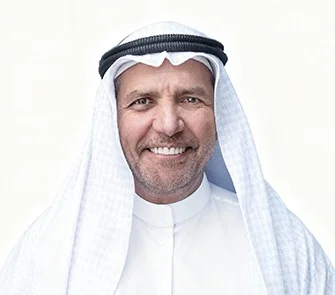
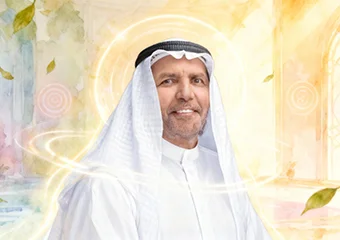
Dr. Bashir Al-Rashidi
Professor and Consultant in Human Development and Positive Psychology.
Scientific Specialization
- Psychological
Brief Summary
Professor and Consultant in Human Development and Positive Psychology. He is one of the leading Arab experts in personal growth, leadership, and professional excellence. He holds a Ph.D. in Psychology from Kuwait University and has over 25 years of experience in teaching, training, and academic supervision.
He has held several academic and professional positions, including:
- Professor of Psychology at Kuwait University.
- Former Director of Al-Rashed Center for Human Development.
- Educational and Organizational Consultant for various public and private institutions.
- Member of several Arab and GCC psychological associations.
- Frequent keynote speaker at international conferences on leadership and human development.
Dr. Al-Rashidi is widely recognized for his practical, science-based training approach that inspires individuals and organizations to reach their full potential.
Selected Publications:
- Creating the Positive Human
- Keys to Self-Leadership
- Emotional Intelligence at Work and in Life
- The Art of Dealing with Self and Others
- Strategies for Personal and Professional Success

The Power of Choice
This course focuses on the concept of conscious choice and how the decisions we make daily shape our personal and professional lives. It aims to empower participants with tools for rational thinking, responsibility-taking, and making value-based, purposeful decisions rather than reactive or pressured ones. Through practical exercises and real-life models, participants learn to create a more balanced and intentional life driven by thoughtful, meaningful choices.
Objectives:
- Recognize the importance of choice and its impact on life satisfaction and personal growth.
- Understand the relationship between thinking, values, and decision-making.
- Learn to distinguish between conscious and emotional decisions.
- Develop analytical skills to assess situations and evaluate alternatives before deciding.
- Strengthen self-confidence and accountability for one’s choices.
- Build habits and decision patterns that lead to a more balanced and fulfilling life.
Target Audience:
- Individuals seeking to enhance decision-making skills and improve life quality.
- Young adults facing major life choices (education, career, marriage).
- Leaders and managers making impactful decisions.
- Coaches and counselors in the field of personal development.
- Anyone striving for self-awareness and emotional balance.
Course Topics:
- Understanding Conscious Choice:
- Difference between rational and emotional decisions.
- How decision patterns are formed in our lives.
- The role of values and beliefs in decision-making.
- Factors Influencing Decisions:
- Social and cultural environment.
- Psychological and societal pressures.
- Negative thinking and fear of mistakes.
- Thinking and Decision-Making Skills:
- Practical steps for effective decision-making.
- Analyzing pros and cons.
- Using emotional intelligence to make sound choices.
- The Power of Personal Responsibility:
- Taking ownership of your choices without blame or excuses.
- Turning mistakes into learning opportunities.
- Building self-confidence through experience.
- Choice and Life Design:
- How your choices shape your reality and future.
- Setting intentional goals and prioritizing what matters most.
- Balancing heart and mind in major life decisions.
- Practical Exercises and Applications:
- Case studies for decision analysis.
- Self-awareness training before decision-making.
- Creating a personal “choice plan.”
Positive Personality and the Art of Influencing Others
This course is a transformative journey designed to help participants build a positive and influential personality characterized by confidence, resilience, and effective communication. It focuses on developing positive thinking, self-awareness, and emotional intelligence, while teaching practical strategies for positive influence and persuasion in both personal and professional contexts.
Participants will learn how to make a powerful impression and positively impact those around them through authentic and confident interaction.
Objectives:
- Build a balanced, positive personality capable of handling challenges.
- Strengthen self-confidence and emotional resilience.
- Develop effective communication, persuasion, and influence skills.
- Understand how to create a strong first impression and use it positively.
- Master emotional intelligence in interpersonal relationships.
- Apply positive influence strategies in work and daily life.
Target Audience:
- Individuals seeking personal growth and a stronger presence.
- Leaders, managers, and supervisors.
- Coaches and consultants in personal development fields.
- Professionals in public relations, sales, and customer service.
- Anyone aiming to improve communication and build successful relationships.
Course Topics:
- Understanding Positive Personality:
- Traits and components of a positive personality.
- The connection between positive thinking and impactful behavior.
- How your outlook on life shapes your relationships.
- Building Confidence and Resilience:
- Developing genuine inner confidence.
- Dealing with criticism and failure intelligently.
- Turning challenges into opportunities.
- Effective Communication Skills:
- Body language and positive expression.
- The art of listening and constructive interaction.
- Delivering messages with clarity and influence.
- The Art of Influence and Persuasion:
- Principles of psychological and social influence.
- Using emotional intelligence in persuasion.
- Creating a strong presence that attracts others.
- Balancing Positivity and Realism:
- Avoiding excessive optimism or unrealistic positivity.
- Maintaining positive energy amid challenges.
- Influencing others without losing authenticity.
- Practical Applications and Exercises:
- Personality analysis and interaction styles.
- Confidence and communication practice.
- Real-life scenarios for applying positive influence.
The Power of Listening
This course focuses on developing the skill of active listening, one of the most powerful tools for effective communication, leadership, and relationship building. Listening is more than hearing words — it’s the art of understanding and connecting with others. The course helps participants cultivate mindful listening habits, enhance communication quality, and strengthen trust and empathy in personal and professional relationships.
Objectives:
- Understand the concept of active listening and its role in human communication.
- Distinguish between passive hearing and conscious listening.
- Master positive listening and constructive interaction skills.
- Develop emotional intelligence through active listening.
- Strengthen relationships by improving communication depth and clarity.
- Avoid common communication mistakes such as interruption and judgment.
Target Audience:
- Leaders, managers, and supervisors.
- Teachers, trainers, and counselors.
- Professionals in customer service and public relations.
- Couples and families seeking better communication.
- Anyone aiming to enhance their interpersonal understanding and connection.
Course Topics:
- The Meaning and Value of Listening:
- Difference between hearing, listening, and deep attention.
- Why listening is the foundation of successful relationships.
- How attentive listening shows respect and understanding.
- Types of Listening:
- Passive vs. active listening.
- Empathic and critical listening.
- When and how to use each type effectively.
- Active Listening Skills:
- Paying full attention to the speaker.
- Using body language to show engagement.
- Asking clarifying questions and paraphrasing.
- Barriers to Good Listening:
- Mental distractions and internal noise.
- Prejudgment and assumptions.
- Emotional reactions and constant interruptions.
- Listening and Emotional Intelligence:
- Understanding hidden emotions through empathy.
- Building trust and deeper connections.
- Turning conversations into bridges rather than conflicts.
- Practical Exercises and Applications:
- Mindful listening practice.
- Real-life communication scenarios.
- Self-assessment of listening skills.

Secrets of a Happy Marriage
This course offers a practical and insightful journey designed to help couples and individuals discover the secrets of a successful and lasting marriage.
Through scientific and practical tools, participants will learn effective communication skills, emotional intelligence in relationships, and how to resolve conflicts in healthy, constructive ways.
The course aims to help couples transform their marriage into a source of happiness, support, and lifelong partnership.
Objectives:
- Understand the key foundations of a successful and happy marriage.
- Learn the art of effective communication between partners.
- Develop skills for managing and resolving marital conflicts wisely.
- Strengthen emotional connection and intimacy.
- Identify and respect the emotional and psychological needs of both partners.
- Build a relationship based on love, respect, and mutual trust.
Target Audience:
- Married couples seeking to improve their relationship.
- Engaged or soon-to-be-married individuals preparing for marriage.
- Family counselors and relationship coaches.
- Anyone interested in understanding the dynamics of a healthy marriage.
Course Topics:
- Keys to Marital Happiness:
- Communication, love, respect, and emotional support.
- Maintaining passion and connection after marriage.
- Building trust and emotional security.
- Psychological Differences Between Men and Women:
- Understanding the unique nature and needs of each partner.
- How gender differences affect communication and intimacy.
- Using emotional intelligence to bridge emotional gaps.
- The Art of Conflict Management:
- Turning conflicts into opportunities for growth.
- Skills for calm and constructive dialogue.
- Avoiding behaviors that damage the relationship.
- Enhancing Love and Affection:
- The five love languages and their impact on long-term connection.
- Appreciation and attention as pillars of marital happiness.
- Daily habits that nurture love and closeness.
- Balancing Responsibilities and Emotional Life:
- Maintaining intimacy amid life’s challenges.
- Sharing roles and responsibilities with understanding.
- Creating quality time as a couple.
- Practical Exercises:
- Activities to strengthen communication and affection.
- Real-life scenarios for handling disagreements.
- Personal action plan for a happy and sustainable marriage.

How to Build Your Self-Confidence
This course takes you on an inner journey to build real and lasting self-confidence, free from doubt, comparison, or fear of failure.
Through practical exercises and reflective techniques, participants will learn how to deal with criticism, transform weaknesses into strengths, and adopt a positive self-image.
The course empowers individuals to achieve a healthy balance between confidence and humility while creating a strong self-belief that drives success in both personal and professional life.
Objectives:
- Understand the true meaning and sources of self-confidence.
- Differentiate between genuine confidence and arrogance.
- Learn how to handle criticism and overcome fear of failure.
- Strengthen self-esteem and belief in one’s abilities.
- Break free from negative comparisons and self-doubt.
- Build a positive mindset that supports growth and achievement.
Target Audience:
- Individuals struggling with low confidence or fear of failure.
- Students and young adults entering new life stages.
- Employees and entrepreneurs seeking personal development.
- Coaches and consultants in self-development fields.
- Anyone who wants to grow personally and feel more empowered.
Course Topics:
- Understanding Self-Confidence:
- Difference between confidence and arrogance.
- How confidence is formed and strengthened over time.
- The link between self-perception and behavior.
- Causes of Low Confidence:
- Negative past experiences or upbringing.
- The impact of comparison on self-image.
- Fear of failure or rejection.
- Strategies to Build Confidence:
- Identifying and developing personal strengths.
- Reframing self-talk and limiting beliefs.
- Replacing negative thoughts with empowering ones.
- Dealing with Criticism and Fear:
- Handling criticism constructively.
- Turning failure into growth opportunities.
- Building resilience through self-acceptance.
- Enhancing Positive Self-Image:
- Using body language to project confidence.
- Presenting yourself confidently in social and professional settings.
- Celebrating small wins to sustain motivation.
- Practical Exercises:
- Self-esteem and positive self-talk practices.
- Weekly confidence challenges.
- A personal action plan for continuous self-growth.

Peaceful Mind
This course guides you on an inner journey toward mental calm and serenity, teaching how to overcome anxiety and stress and live with harmony and tranquility. Through practical exercises, breathing and relaxation techniques, and strategies to manage negative thoughts, participants will learn how to regulate emotions, cultivate inner peace, and achieve emotional balance to face life’s pressures with confidence and calm.
Objectives:
- Enhance the sense of inner peace and mental calm.
- Learn relaxation and breathing techniques to manage daily stress.
- Understand the link between thoughts and emotions and how to manage tension.
- Acquire skills to deal consciously with anxiety and fear.
- Strengthen psychological resilience and the ability to face challenges calmly.
- Build daily habits that support mental health and emotional stability.
Target Audience:
- Individuals experiencing anxiety or psychological stress.
- Students and professionals seeking better emotional and mental performance.
- Those searching for inner peace and emotional balance.
- Trainers and counselors seeking practical tools to support others.
- Anyone striving for a calmer and more serene life.
Course Topics:
- Understanding Mental Calm:
- Difference between true serenity and passive resignation.
- The role of self-awareness in achieving inner peace.
- Managing Thoughts and Emotions:
- Recognizing negative thoughts and anxiety patterns.
- Strategies for reframing thoughts into positive ones.
- Relaxation and Breathing Techniques:
- Deep breathing and mindfulness exercises.
- Physical and mental relaxation training.
- Dealing with Stress and Pressure:
- Practical tools to reduce daily tension.
- Building psychological resilience in difficult situations.
- Building Peaceful Habits:
- Daily routines to strengthen mental health.
- Simple practices to enhance inner peace in everyday life.
- Practical Exercises:
- Guided breathing and mindfulness sessions.
- Training on managing emotions and anxiety in real-life scenarios.
- Personal action plan to sustain mental serenity.
The Art of Building Confidence and Self-Esteem
This course focuses on practical strategies for building self-confidence and enhancing self-esteem. Moving beyond theoretical concepts, it helps participants identify their strengths, manage weaknesses positively, and develop a balanced self-image that reflects their true potential. Through interactive exercises and daily techniques, participants will learn to face life’s challenges with confidence, stability, and inner calm.
Objectives:
- Understand the meaning of self-confidence and the importance of self-esteem.
- Identify factors negatively affecting self-image.
- Acquire skills to handle criticism and failure positively.
- Enhance self-respect and awareness of personal abilities.
- Develop an optimistic and proactive mindset supporting personal and professional success.
- Create a practical daily plan to strengthen confidence and self-esteem.
Target Audience:
- Individuals seeking personal development and greater self-confidence.
- Young adults and students aiming for academic and professional excellence.
- Employees and entrepreneurs looking to improve personal and professional performance.
- Coaches and consultants in personal development fields.
- Anyone wishing to improve self-image and build inner strength.
Course Topics:
- Understanding Confidence and Self-Esteem:
- Difference between fake confidence and genuine confidence.
- Connection between self-image and daily behavior.
- How positive thinking enhances self-confidence.
- Factors Affecting Self-Confidence:
- Impact of past experiences and surrounding environment.
- Overcoming comparison with others.
- Handling internal and external criticism.
- Strategies to Boost Confidence and Self-Esteem:
- Identifying and developing strengths.
- Regulating self-talk and self-motivation.
- Practical challenges to build confidence in daily situations.
- Handling Failure and Difficult Situations:
- Turning failure into opportunities for growth.
- Developing psychological resilience and endurance.
- Practical steps to maintain confidence under pressure.
- Practical Exercises:
- Self-esteem enhancement exercises.
- Interactive exercises to assess and improve self-image.
- Developing a personal daily plan to support confidence and self-esteem.
The Power of Forgiveness and Emotional Balance
This course focuses on developing the ability to forgive and release feelings of anger and resentment, achieving inner emotional balance that enables participants to face life’s challenges with calm and serenity. Through practical concepts and exercises, participants will learn to forgive themselves and others, let go of negative energy, and build a life filled with inner peace and satisfaction.
Objectives:
- Understand the concept of forgiveness and its importance for mental health and relationships.
- Learn strategies for consciously managing anger and resentment.
- Enhance inner emotional balance and control over feelings.
- Acquire skills to release negative energy and harmful emotions.
- Improve personal and social relationships through forgiveness.
- Build a balanced life grounded in inner peace and contentment.
Target Audience:
- Individuals seeking personal and emotional development.
- People struggling with forgiveness or controlling anger.
- Professionals and students aiming to maintain psychological balance under stress.
- Counselors and trainers in personal development and mental health.
- Anyone pursuing a calmer and more joyful inner life.
Course Topics:
- Understanding Forgiveness and Emotional Balance:
- Forgiveness as a tool to release negative energy.
- The connection between forgiveness, inner peace, and mental health.
- Managing Anger and Resentment:
- Identifying internal and external sources of anger.
- Strategies for self-control and emotional regulation.
- Building Emotional Balance:
- Relaxation and mindfulness techniques for inner stability.
- Transforming negative experiences into learning opportunities.
- Releasing Negative Energy:
- Overcoming prejudices and grudges.
- Practical approaches to forgive oneself and others.
- Practical Exercises and Daily Practices:
- Forgiveness and emotional release exercises.
- Activities to manage anger and resentment.
- Personal plan to maintain long-term emotional balance.